LE TARBOUCHE. WHEN AN ACCESSORY BECOMES A SYMBOL
Works by Mouna Rebeiz
curated by Roberta Semeraro
20 May – 8 November 2026
Museum of Palazzo Mocenigo – Study Center for the History of Textiles, Costume and Perfume
Venice, Santa Croce 1992
In collaboration with the RO.SA.M. Cultural Association
PRESS RELEASE 24 March 2026
The Museum of Palazzo Mocenigo – Study Center for the History of Textiles, Costume and Perfume presents LE TARBOUCHE. When an accessory becomes a symbol , a solo exhibition by Lebanese-Canadian artist Mouna Rebeiz, curated by Roberta Semeraro.
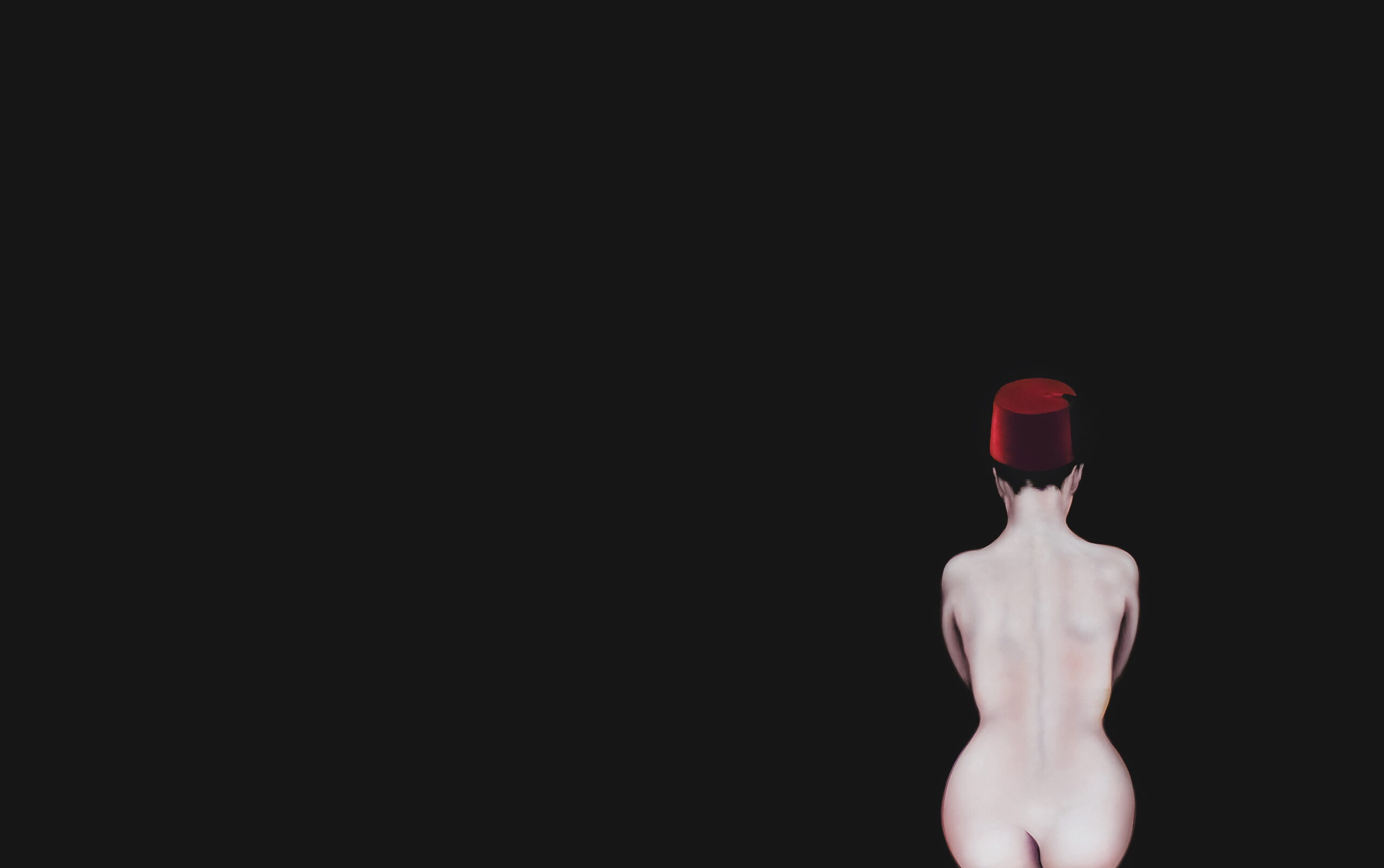
This project brings together more than thirty works dedicated to the tarbouche or fez, the traditional men’s headwear popular across the Islamic world since the fourteenth century. Here, the famous hat is reinterpreted as an iconic and symbolic element within a modern-day reflection on representations of femininity, identity, and cultural memory. Through paintings that engage both with the great European figurative tradition and with contemporary sensibilities, Mouna Rebeiz transforms a historically masculine-coded accessory into a powerful visual symbol capable of interrogating gender roles and cultural dynamics between the East and the West.
Here the fez, traditionally worn by men as a signifier of social and cultural belonging, is reinterpreted and placed onto monumental female figures. It becomes a symbolic element central to the construction of the painted image. The artist sets up a dialogue between classicism and modernity, tradition and identity, offering a visual reading of the essence of “womanhood” in contemporary society.
Mouna Rebeiz was trained at the Sorbonne in Paris, and is active on the international stage. Over the years she has developed a refined painting technique that recalls the great masters of the Renaissance and Baroque periods, reinterpreting the monumentality and plasticity of their figures through a contemporary lens. In her paintings on display at the Mocenigo Palace, the female figures – often inspired by the classical iconography of the Three Graces – take on a sculptural and sensual character, while the tarbouche becomes a symbolic and compositional element capable of rewriting history and its representations through a conscious, contemporary female perspective.
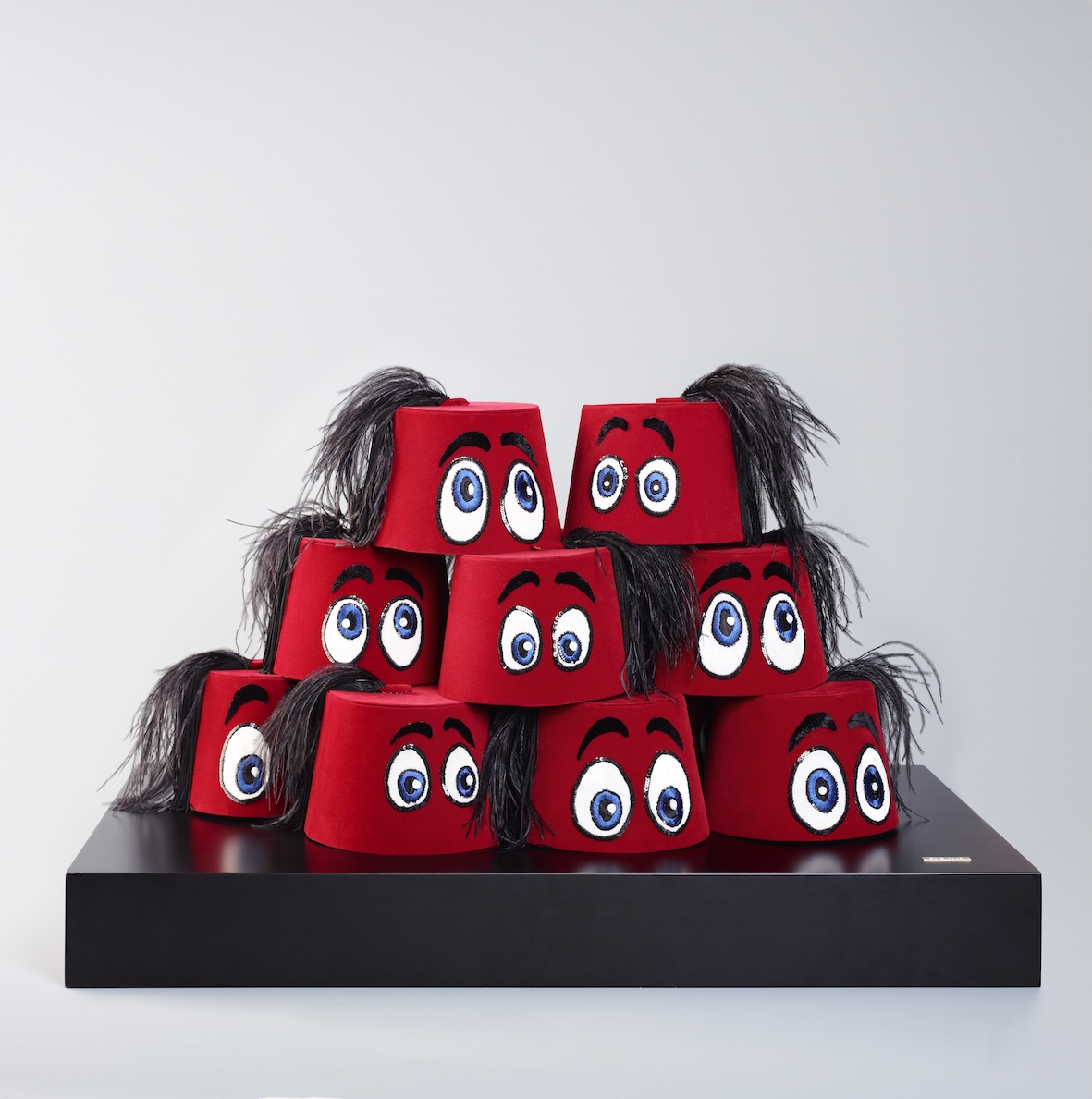
As part of her exploration of the tarbouche, in 2015, Mouna Rebeiz invited approximately forty designers and creatives from around the world to reinterpret the iconic hat in their own artistic language. Stylists and artists thus brought the tarbouche into the modern world as an experimental object, situated at a crossroads of fashion, art and design. Fifteen works developed during that project will be on display in the Mocenigo Palace, including contributions from major international designers and fashion houses: Sonia Rykiel, Marni, Jimmy Choo, Renée Caovilla, Alberta Ferretti, and other stars of the contemporary creative stage. This dialogue between painting and design further amplifies the significance of the tarbouche, which evolves from a traditional accessory into a universal symbol capable of bridging cultures, languages and disciplines. In the Mocenigo Palace – a museum dedicated to the evolution of clothing and social identity – this interweaving of art, fashion and history finds a particularly meaningful home. Here, the artworks interface with their surroundings and with the museum’s permanent collections, giving rise to new readings and connections.
A rare Venetian doge’s cap from the collections of the Civic Museums of Venice also inspired the artist to create a series of works specifically for this exhibition. These works, exhibited here for the first time, add a new layer of meaning based in the history of garments, symbols of power, and contemporary re-readings of identity, further strengthening the connections between the paintings of Mouna Rebeiz and the historical setting of the Mocenigo Palace.
Maretti Editore will also be publishing the first book completely dedicated to the tarbouche on the occasion of this exhibition. Conceived as an in-depth exploration of the history and iconography of this emblematic hat, the book will serve as a companion volume to the exhibition, offering a new perspective on a symbol that spans cultures, eras, and identities.
Curated by art critic Roberta Semeraro, who has long been dedicated to seeking out themes of identity and the representation of femininity in art and history, this exhibition situates itself within the artist’s broader exploration of identity and the transformation of cultural symbols, centering the female figure and its redefinition in the modern era.
The artistic explorations of Mouna Rebeiz will also dialogue with other reflections of contemporary thought, including the work of philosopher and psychoanalyst Elsa Godart (who will be present in Venice for the opening) on the identity and complexity of the female experience today. At a time in which the conversation on gender roles and new forms of feminism is increasingly critical, Rebeiz’ work invites us to reflect on the construction of images and the symbolic value of objects in the definition of individual and collective identity.
INFORMATION
Titolo: LE TARBOUCHE. QUANDO UN ACCESSORIO DIVENTA SIMBOLO – Opere di Mouna Rebeiz
Location: Mocenigo Palace Museum, Venice
Santa Croce 1992, 30135 Venice
Opening hours: 10:00 AM – 5:00 PM (last entry 4:00 PM)
Closed Monday